Referred to Commerce, Science, and Transportation Committee
Became Law
Nay
Baldwin's most active focus in the 119th Congress has been Health Care (12 actions), along with secondary work on Agriculture & Food and Social Policy.
Read twice and referred to the Committee on Agriculture, Nutrition, and Forestry.
Read twice and referred to the Committee on Banking, Housing, and Urban Affairs.
Tammy Baldwin is a Democratic Senator from Wisconsin serving in the 119th Congress (2025–2027). Now in their 3rd term, they have cast 25 recorded votes, seen 21 measures become law, and sponsored 50 bills. They won their 2024 election with 49.3% of the vote, a 0.8-point margin. Next election in 2030.
Each numbered Congress spans two calendar years and is divided into two sessions: the first session (odd-numbered year, e.g., 2025) and the second session (even-numbered year, e.g., 2026). Modern Congresses begin on January 3 of odd-numbered years and end on January 3 two years later, unless a law sets a different date. The House is elected every two years, while Senators serve six-year terms staggered so that roughly one-third of the Senate is up for election every two years.
Referred to Commerce, Science, and Transportation Committee
Fiscal Year 2025 Veterans Affairs Major Medical Facility Authorization Act
Referred to Veterans' Affairs Committee
Referred to Commerce, Science, and Transportation Committee
Referred to Budget Committee
Fallen Servicemembers Religious Heritage Restoration Act
Referred to Veterans' Affairs Committee
Referred to Energy and Natural Resources Committee
Small Business Innovation and Economic Security Act
Tribal Trust Land Homeownership Act of 2025
Referred to Indian Affairs Committee
Referred to Commerce, Science, and Transportation Committee
Veterans Accessibility Advisory Committee Act of 2025
Referred to Committee on House Administration; Veterans' Affairs Committee
Congressional Award Program Reauthorization Act
Referred to Homeland Security and Governmental Affairs Committee
National Defense Authorization Act for Fiscal Year 2026
Referred to Armed Services Committee; Veterans' Affairs Committee
Secure Rural Schools Reauthorization Act of 2025
Referred to Energy and Natural Resources Committee
Referred to Energy and Natural Resources Committee
Jocelyn Nungaray National Wildlife Refuge Act
Referred to Environment and Public Works Committee
Referred to Judiciary Committee
Referred to Environment and Public Works Committee
Referred to Banking, Housing, and Urban Affairs Committee
Referred to Commerce, Science, and Transportation Committee
Referred to Banking, Housing, and Urban Affairs Committee
Referred to Banking, Housing, and Urban Affairs Committee
Referred to Energy and Natural Resources Committee
Committee memberships will load automatically if available.
Referred to Agriculture, Nutrition, and Forestry Committee
Referred to Banking, Housing, and Urban Affairs Committee
Reproductive Health Care Training Act of 2026
Referred to Health, Education, Labor, and Pensions Committee
Reproductive Health Travel Fund Act of 2026
Referred to Health, Education, Labor, and Pensions Committee
Air Carrier Access Amendments Act
Referred to Commerce, Science, and Transportation Committee
Referred to Health, Education, Labor, and Pensions Committee
Foreign Investment Review Monitoring and Commitment Tracking Oversight Board Act
Referred to Finance Committee
Volunteer First Responder Housing Act
Referred to Banking, Housing, and Urban Affairs Committee
Wildlife Health Coordination and Zoonotic Disease Prevention Act of 2026
Referred to Environment and Public Works Committee
Referred to Commerce, Science, and Transportation Committee
A resolution recognizing April 29, 2026, as "Denim Day" and honoring survivors of sexual assault.
Referred to Judiciary Committee
Build America, Buy America Compliance Act
Referred to Homeland Security and Governmental Affairs Committee
Referred to Environment and Public Works Committee
Referred to Commerce, Science, and Transportation Committee
Public Health and Bio-Preparedness Workforce Loan Repayment Reauthorization Act of 2026
Referred to Health, Education, Labor, and Pensions Committee
Referred to Health, Education, Labor, and Pensions Committee
Referred to Foreign Relations Committee
Referred to Commerce, Science, and Transportation Committee
Referred to Health, Education, Labor, and Pensions Committee
Domestic Organic Investment Act of 2025
Referred to Agriculture, Nutrition, and Forestry Committee
Keep Head Start Funded Act of 2025
Referred to Appropriations Committee
A resolution designating September 2025 as "National Spinal Cord Injury Awareness Month".
988 LGBTQ+ Youth Access Act of 2025
Referred to Health, Education, Labor, and Pensions Committee
Referred to Commerce, Science, and Transportation Committee
Referred to Armed Services Committee
Referred to Health, Education, Labor, and Pensions Committee
Referred to Health, Education, Labor, and Pensions Committee
Referred to Agriculture, Nutrition, and Forestry Committee
A bill to provide for eligibility for veterans of Operation End Sweep for the Vietnam Service Medal.
Referred to Armed Services Committee
Referred to Agriculture, Nutrition, and Forestry Committee
Palliative Care and Hospice Education and Training Act
Referred to Health, Education, Labor, and Pensions Committee
Referred to Commerce, Science, and Transportation Committee
WWII Nurses Congressional Gold Medal Act
Referred to Banking, Housing, and Urban Affairs Committee
A resolution expressing support for the designation of June 26 as "LGBTQI+ Equality Day".
Referred to Judiciary Committee
Womenâs Health Protection Act of 2025
Referred to Judiciary Committee
Reliable Rail Service Act of 2025
Referred to Commerce, Science, and Transportation Committee
Referred to Health, Education, Labor, and Pensions Committee
Striking and Locked Out Workers Healthcare Protection Act
Referred to Health, Education, Labor, and Pensions Committee
SCREENS for Cancer Act of 2025
Referred to Health, Education, Labor, and Pensions Committee
Protecting Older Workers Against Discrimination Act
Referred to Health, Education, Labor, and Pensions Committee
Tax Relief for Victims of Crimes, Scams, and Disasters Act
Referred to Finance Committee
Referred to Health, Education, Labor, and Pensions Committee
Referred to Foreign Relations Committee
Winter Recreation Small Business Recovery Act of 2025
Referred to Small Business and Entrepreneurship Committee
Workplace Violence Prevention for Health Care and Social Service Workers Act
Referred to Health, Education, Labor, and Pensions Committee
Women's Retirement Protection Act
Referred to Health, Education, Labor, and Pensions Committee
Referred to Agriculture, Nutrition, and Forestry Committee
Carried Interest Fairness Act of 2025
Referred to Finance Committee
Dairy Business Innovation Act of 2025
Referred to Agriculture, Nutrition, and Forestry Committee
Referred to Commerce, Science, and Transportation Committee
Source: MIT Election Data + Science Lab
Source: Federal Election Commission · Candidate ID: S2WI00219 · Through 03/31/2026 · 2026 Cycle
Federal dollars obligated to this state in FY2025. Reflects ongoing programs and prior authorizations — not decisions by the current officeholder.
Source: USASpending.gov. Voting records via official House/Senate clerk roll-call data. District map: post-2020 census (118th/119th Congress).
Measured from public voting records, Census district demographics, and CRS bill data. Not an editorial judgment — the same formula applies to every member regardless of party.
Other members of the 119th Congress representing Wisconsin. View full Wisconsin delegation

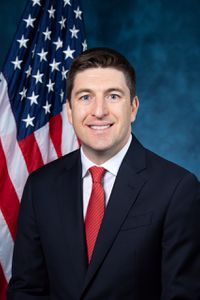
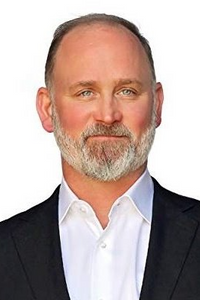
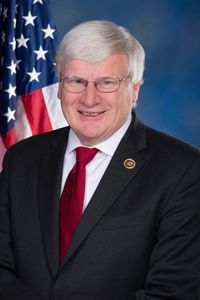
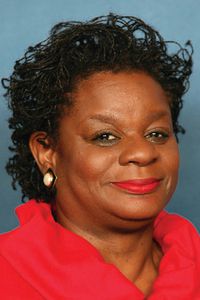
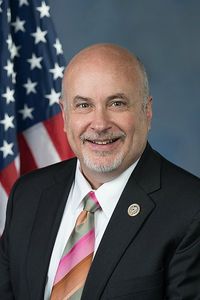
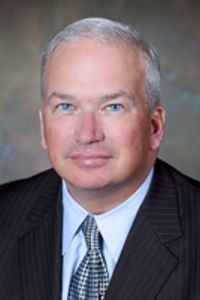
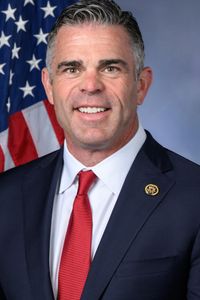
Tammy Baldwin won the 2024 general election with 49.3% of the vote (1,672,777 votes), winning by a margin of 0.8 points against 3 opponents.
Tammy Baldwin is up for re-election in 2030. Their current term ends January 3, 2031. They have served 3 terms in this office. Senate seats are contested in staggered six-year cycles, with roughly one-third up each election.
Tammy Baldwin's current term ends January 3, 2031. Their next election is in 2030. Senators serve six-year terms with elections staggered across three classes.
According to FEC filings, Tammy Baldwin has raised $2,354,258 in campaign funds, spent $1,812,160, and has $567,364 cash on hand.
Campaign funds are raised from donors for election purposes and regulated by the FEC. Office spending (MRA) is a separate taxpayer-funded budget allocated to each House member for staff salaries, rent, travel, and official duties. The two cannot be mixed — campaign money cannot pay for official expenses and vice versa.