Referred to Budget Committee; Budget Committee
Became Law
Nay
Markey has been active across several areas in the 119th Congress, most often Environment & Energy, Economy & Taxes and Health Care.
Read twice and referred to the Committee on Health, Education, Labor, and Pensions.
Read twice and referred to the Committee on Finance.
Read twice and referred to the Committee on Homeland Security and Governmental Affairs.
Read twice and referred to the Committee on Small Business and Entrepreneurship.
Edward J. Markey is a Democratic Senator from Massachusetts serving in the 119th Congress (2025–2027). Now in their 3rd term, they have cast 26 recorded votes, seen 22 measures become law, and sponsored 151 bills. They won their 2020 election with 64.5% of the vote, a 32.3-point margin. Up for re-election November 2026.
Each numbered Congress spans two calendar years and is divided into two sessions: the first session (odd-numbered year, e.g., 2025) and the second session (even-numbered year, e.g., 2026). Modern Congresses begin on January 3 of odd-numbered years and end on January 3 two years later, unless a law sets a different date. The House is elected every two years, while Senators serve six-year terms staggered so that roughly one-third of the Senate is up for election every two years.
Referred to Budget Committee; Budget Committee
Referred to Commerce, Science, and Transportation Committee
Fiscal Year 2025 Veterans Affairs Major Medical Facility Authorization Act
Referred to Veterans' Affairs Committee
Referred to Commerce, Science, and Transportation Committee
Referred to Budget Committee
Fallen Servicemembers Religious Heritage Restoration Act
Referred to Veterans' Affairs Committee
Referred to Energy and Natural Resources Committee
Small Business Innovation and Economic Security Act
Tribal Trust Land Homeownership Act of 2025
Referred to Indian Affairs Committee
Referred to Commerce, Science, and Transportation Committee
Veterans Accessibility Advisory Committee Act of 2025
Referred to Committee on House Administration; Veterans' Affairs Committee
Congressional Award Program Reauthorization Act
Referred to Homeland Security and Governmental Affairs Committee
National Defense Authorization Act for Fiscal Year 2026
Referred to Armed Services Committee; Veterans' Affairs Committee
Secure Rural Schools Reauthorization Act of 2025
Referred to Energy and Natural Resources Committee
Referred to Energy and Natural Resources Committee
Jocelyn Nungaray National Wildlife Refuge Act
Referred to Environment and Public Works Committee
Referred to Judiciary Committee
Referred to Environment and Public Works Committee
Committee memberships will load automatically if available.
Referred to Health, Education, Labor, and Pensions Committee
Referred to Finance Committee
Referred to Homeland Security and Governmental Affairs Committee
Referred to Small Business and Entrepreneurship Committee
Referred to Environment and Public Works Committee
Referred to Health, Education, Labor, and Pensions Committee
Referred to Commerce, Science, and Transportation Committee
Modernizing Opioid Treatment Access Act 2.0 of 2026
Referred to Health, Education, Labor, and Pensions Committee
Referred to Judiciary Committee
Referred to Health, Education, Labor, and Pensions Committee
Referred to Health, Education, Labor, and Pensions Committee
Referred to Health, Education, Labor, and Pensions Committee
Referred to Judiciary Committee
Referred to Armed Services Committee
Child Safety and Well-Being Act of 2026
Referred to Health, Education, Labor, and Pensions Committee
Asal Sayas National Strategy on Young Adult Cancers Act
Referred to Health, Education, Labor, and Pensions Committee
Natural Climate Solutions Research and Extension Act of 2026
Referred to Agriculture, Nutrition, and Forestry Committee
Artificial Intelligence Environmental Impacts Act of 2026
Referred to Environment and Public Works Committee
Referred to Health, Education, Labor, and Pensions Committee
Alice Cogswell and Anne Sullivan Macy Act
Referred to Health, Education, Labor, and Pensions Committee
Referred to Health, Education, Labor, and Pensions Committee
Referred to Armed Services Committee
Referred to Health, Education, Labor, and Pensions Committee
Investing in the American Dream Act
Referred to Small Business and Entrepreneurship Committee
Youth Climate Leadership Act of 2026
Referred to Environment and Public Works Committee
Referred to Commerce, Science, and Transportation Committee
A resolution designating April 22, 2026, as "National Assistive Technology Awareness Day".
Protecting Moms and Babies Against Climate Change Act
Referred to Health, Education, Labor, and Pensions Committee
Hazard Pay for Health Care Heroes Act
Referred to Health, Education, Labor, and Pensions Committee
Referred to Finance Committee
Home Modifications for the Climate Crisis Act
Referred to Health, Education, Labor, and Pensions Committee
Referred to Health, Education, Labor, and Pensions Committee
Communications, Video, and Technology Accessibility Act of 2026
Referred to Commerce, Science, and Transportation Committee
No Big Fossil Bailouts on Your Power Bill Act
Referred to Energy and Natural Resources Committee
No Nuclear Weapons for Saudi Arabia Act of 2026
Referred to Foreign Relations Committee
Referred to Commerce, Science, and Transportation Committee
Referred to Judiciary Committee
Referred to Finance Committee
Small Business Liberation 2.0 Act
Referred to Finance Committee
Support for Astrophysical Observatories and National High-Energy Astrophysics Hubs Act of 2026
Referred to Commerce, Science, and Transportation Committee
Referred to Energy and Natural Resources Committee
Referred to Small Business and Entrepreneurship Committee
Small Business ICE Disruption Fund Act
Referred to Small Business and Entrepreneurship Committee
Referred to Judiciary Committee
Referred to Rules and Administration Committee
Referred to Homeland Security and Governmental Affairs Committee
Referred to Commerce, Science, and Transportation Committee
Eliminating Bias in Algorithmic Systems Act of 2026
Referred to Homeland Security and Governmental Affairs Committee
Qualified Immunity Abolition Act of 2026
Referred to Judiciary Committee
Referred to Health, Education, Labor, and Pensions Committee
Referred to Judiciary Committee
Referred to Judiciary Committee
Referred to Commerce, Science, and Transportation Committee
Lowering American Energy Costs Act of 2025
Referred to Banking, Housing, and Urban Affairs Committee
States' Right to Regulate AI Act
Referred to Commerce, Science, and Transportation Committee
EFFECTIVE Food Procurement Act
Referred to Small Business and Entrepreneurship Committee; Agriculture, Nutrition, and Forestry Committee
International Human Rights Defense Act of 2025
Referred to Foreign Relations Committee
Referred to Foreign Relations Committee
Artificial Intelligence Civil Rights Act of 2025
Referred to Commerce, Science, and Transportation Committee
Targeting Environmental and Climate Recklessness Act of 2025
Referred to Banking, Housing, and Urban Affairs Committee
Family Caregiver Peer Support Act
Referred to Health, Education, Labor, and Pensions Committee
Referred to Health, Education, Labor, and Pensions Committee
Family Caregiving Research and Innovation Act
Referred to Health, Education, Labor, and Pensions Committee
Referred to Health, Education, Labor, and Pensions Committee
Convenient Care for Caregivers Act
Referred to Health, Education, Labor, and Pensions Committee
Referred to Health, Education, Labor, and Pensions Committee
Transgender Health Care Access Act
Referred to Health, Education, Labor, and Pensions Committee
Stop Shut-Offs During Shutdowns Act
Referred to Energy and Natural Resources Committee
Fishing Industry Safety, Health, and Wellness Improvement Act of 2025
Referred to Commerce, Science, and Transportation Committee
Referred to Health, Education, Labor, and Pensions Committee
Veteran Entrepreneurship Empowerment Act
Referred to Small Business and Entrepreneurship Committee
Referred to Judiciary Committee
No Nuclear Testing Act of 2025
Referred to Armed Services Committee
Referred to Health, Education, Labor, and Pensions Committee
Referred to Finance Committee
Smarter Approaches to Nuclear Expenditures Act
Referred to Armed Services Committee
Referred to Environment and Public Works Committee
Referred to Health, Education, Labor, and Pensions Committee
Pipeline Accountability Act of 2025
Referred to Commerce, Science, and Transportation Committee
Referred to Commerce, Science, and Transportation Committee
Referred to Finance Committee
Referred to Commerce, Science, and Transportation Committee
No Foreign Fundraising at United States Embassies Act
Referred to Foreign Relations Committee
Referred to Foreign Relations Committee
Protecting Small Business Competitions Act of 2025
Referred to Small Business and Entrepreneurship Committee
Preventing HEAT Illness and Deaths Act of 2025
Referred to Commerce, Science, and Transportation Committee
Warehouse Worker Protection Act
Referred to Health, Education, Labor, and Pensions Committee
Referred to Foreign Relations Committee
Gun Violence Prevention Research Act of 2025
Referred to Health, Education, Labor, and Pensions Committee
Referred to Commerce, Science, and Transportation Committee
Disability and Age in Jury Service Nondiscrimination Act
Referred to Judiciary Committee
Referred to Judiciary Committee
Referred to Banking, Housing, and Urban Affairs Committee
Community Mental Wellness and Resilience Act of 2025
Referred to Health, Education, Labor, and Pensions Committee
Pay Paraprofessionals and Support Staff Act
Referred to Health, Education, Labor, and Pensions Committee
Referred to Armed Services Committee
Preparing And Retaining All (PARA) Educators Act
Referred to Health, Education, Labor, and Pensions Committee
Climate Change Health Protection and Promotion Act of 2025
Referred to Health, Education, Labor, and Pensions Committee
Ensuring Safe and Toxic-Free Foods Act of 2025
Referred to Health, Education, Labor, and Pensions Committee
Referred to Foreign Relations Committee
State-Based Universal Health Care Act of 2025
Referred to Finance Committee
Referred to Small Business and Entrepreneurship Committee
Referred to Health, Education, Labor, and Pensions Committee
Referred to Foreign Relations Committee
Expanding the Surety Bond Program Act of 2025
Referred to Small Business and Entrepreneurship Committee
LGBTQ+ Panic Defense Prohibition Act of 2025
Referred to Judiciary Committee
NRC Office of Public Engagement and Participation Act of 2025
Referred to Environment and Public Works Committee
3D Printed Gun Safety Act of 2025
Referred to Judiciary Committee
Protecting Kids from Gun Marketing Act
Referred to Commerce, Science, and Transportation Committee
Keeping Gun Dealers Honest Act of 2025
Referred to Judiciary Committee
Referred to Judiciary Committee
Gun Violence Prevention Through Financial Intelligence Act
Referred to Banking, Housing, and Urban Affairs Committee
Protecting Community Television Act
Referred to Commerce, Science, and Transportation Committee
FinCENâSBA Coordination on Beneficial Ownership Registration Act
Referred to Small Business and Entrepreneurship Committee
Referred to Environment and Public Works Committee
Public Service Worker Protection Act
Referred to Health, Education, Labor, and Pensions Committee
Referred to Judiciary Committee
Referred to Small Business and Entrepreneurship Committee; Finance Committee
SBIR/STTR Reauthorization Act of 2025
Referred to Small Business and Entrepreneurship Committee
Referred to Health, Education, Labor, and Pensions Committee
A resolution designating April 30, 2025, as "National Assistive Technology Awareness Day".
Arctic Refuge Protection Act of 2025
Referred to Environment and Public Works Committee
Referred to Small Business and Entrepreneurship Committee
Referred to Judiciary Committee
Resources for Victims of Gun Violence Act of 2025
Referred to Judiciary Committee
Referred to Commerce, Science, and Transportation Committee
Referred to Health, Education, Labor, and Pensions Committee
Referred to Judiciary Committee
Safety Starts at the Top Act of 2025
Referred to Commerce, Science, and Transportation Committee
Referred to Finance Committee
Heating and Cooling Relief Act
Referred to Health, Education, Labor, and Pensions Committee
Deerfield River Wild and Scenic River Study Act of 2025
Referred to Energy and Natural Resources Committee
Salem Maritime National Historical Park Redesignation and Boundary Study Act
Referred to Energy and Natural Resources Committee
Water Intelligence, Security, and Cyber Threat Protection Act of 2025
Referred to Environment and Public Works Committee
Tar Sands Tax Loophole Elimination Act
Referred to Finance Committee
Stop Giving Big Oil Free Money Act
Referred to Energy and Natural Resources Committee
Children and Teensâ Online Privacy Protection Act
Referred to Commerce, Science, and Transportation Committee
Sea Turtle Rescue Assistance and Rehabilitation Act of 2025
Referred to Commerce, Science, and Transportation Committee
Referred to Health, Education, Labor, and Pensions Committee
Referred to Health, Education, Labor, and Pensions Committee
Referred to Foreign Relations Committee
AM Radio for Every Vehicle Act of 2025
Referred to Commerce, Science, and Transportation Committee
Coordinated Federal Response to Extreme Heat Act of 2025
Referred to Commerce, Science, and Transportation Committee
Referred to Foreign Relations Committee
Referred to Indian Affairs Committee
Restricting First Use of Nuclear Weapons Act of 2025
Referred to Foreign Relations Committee
Referred to Homeland Security and Governmental Affairs Committee
Fueling Alternative Transportation with a Carbon Aviation Tax Act of 2025
Referred to Finance Committee
Extend the TikTok Deadline Act
Referred to Commerce, Science, and Transportation Committee
Source: MIT Election Data + Science Lab
Source: Federal Election Commission · Candidate ID: S4MA00028 · Through 03/31/2026 · 2026 Cycle
Federal dollars obligated to this state in FY2025. Reflects ongoing programs and prior authorizations — not decisions by the current officeholder.
Source: USASpending.gov. Voting records via official House/Senate clerk roll-call data. District map: post-2020 census (118th/119th Congress).
Measured from public voting records, Census district demographics, and CRS bill data. Not an editorial judgment — the same formula applies to every member regardless of party.
Other members of the 119th Congress representing Massachusetts. View full Massachusetts delegation
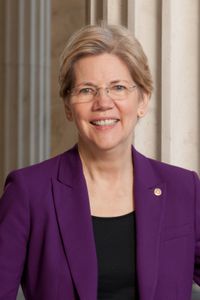
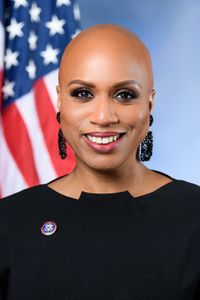


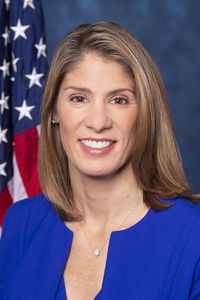
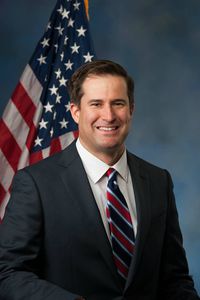
Edward J. Markey won the 2020 general election with 64.5% of the vote (2,357,809 votes), winning by a margin of 32.3 points against 3 opponents.
Edward J. Markey is up for re-election in 2026. Election Day is November 3, 2026. Their current term ends January 3, 2027. They have served 3 terms in this office. Senate seats are contested in staggered six-year cycles, with roughly one-third up each election.
Edward J. Markey's current term ends January 3, 2027. They are up for re-election on November 3, 2026. Senators serve six-year terms with elections staggered across three classes.
According to FEC filings, Edward J. Markey has raised $3,804,689 in campaign funds, spent $3,074,000, and has $2,541,377 cash on hand.
Campaign funds are raised from donors for election purposes and regulated by the FEC. Office spending (MRA) is a separate taxpayer-funded budget allocated to each House member for staff salaries, rent, travel, and official duties. The two cannot be mixed — campaign money cannot pay for official expenses and vice versa.